.png)
10 Extraordinary Cultural Experiences in Japan Only Insiders Can Arrange
Japan is often described as a country of contrasts—where ancient traditions meet cutting-edge modernity. Yet the most meaningful moments in Japan are rarely found on a standard sightseeing itinerary.
They unfold in quiet artisan workshops, along centuries-old pilgrimage trails, or inside intimate cultural spaces where traditions are practiced with extraordinary precision and care.
For travelers seeking a deeper connection to Japan, these experiences reveal a side of the country that most visitors never see. Through trusted local relationships and thoughtful planning, it becomes possible to move beyond the typical routes and encounter the people, landscapes, and rituals that shape Japan’s cultural identity.
Here are ten extraordinary experiences that bring Japan’s traditions to life.
1. A Private Tea Ceremony in a Kyoto Machiya
Few rituals capture the spirit of Japanese culture as beautifully as the tea ceremony.
In Kyoto, travelers can step inside a historic machiya townhouse and experience this centuries-old practice in an intimate setting guided by a tea master. Each movement—preparing the matcha, arranging the utensils, serving the tea—is performed with deliberate grace.
The ceremony reflects core elements of Japanese philosophy: harmony, respect, purity, and tranquility.
Experiencing this ritual privately offers a deeper understanding of Japan’s refined cultural traditions.

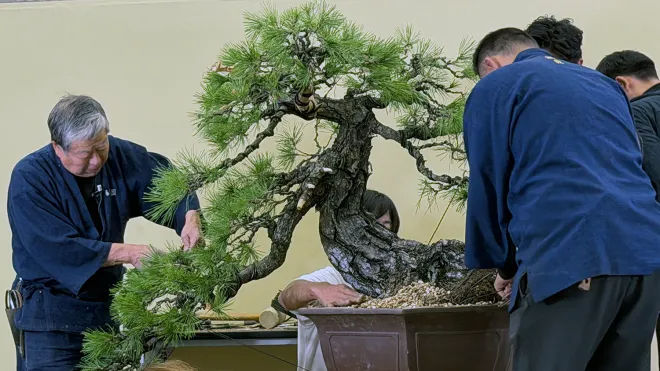
2. Meet a Bonsai Master and Learn the Art of Miniature Landscapes
Bonsai is more than horticulture—it is a living art form that requires patience and vision.
In specialized workshops across Japan, master growers spend decades shaping miniature trees that represent entire landscapes. Travelers can visit these studios, observe the meticulous care involved in bonsai cultivation, and learn about the philosophy behind the art.
For those interested in craft traditions, exploring Japan’s bonsai and artisan culture offers a remarkable window into the country’s aesthetic heritage.
3. Walk the Ancient Kumano Kodo Pilgrimage Trails
Hidden within the mountains of the Kii Peninsula lies one of Japan’s most spiritual landscapes.
The Kumano Kodo is a network of pilgrimage routes that have connected sacred shrines for more than a thousand years. Emperors, monks, and travelers once walked these paths seeking spiritual renewal.
Today, guided walks along the moss-covered trails lead through cedar forests, quiet villages, and mountain landscapes where time seems to move more slowly.
Few experiences offer such a profound connection to Japan’s spiritual history.

4. Explore Tokyo’s Food Scene with a Culinary Insider
Tokyo holds more Michelin-starred restaurants than any city in the world, but some of its most memorable culinary discoveries are found in hidden neighborhoods and tiny counters known only to locals.
With a culinary expert as your guide, travelers can explore Tokyo’s food culture from an insider perspective—sampling regional specialties, meeting chefs, and visiting markets that reveal the extraordinary diversity of Japanese cuisine.
From sushi masters to ramen artisans, Tokyo’s food scene reflects the country’s deep respect for craft.

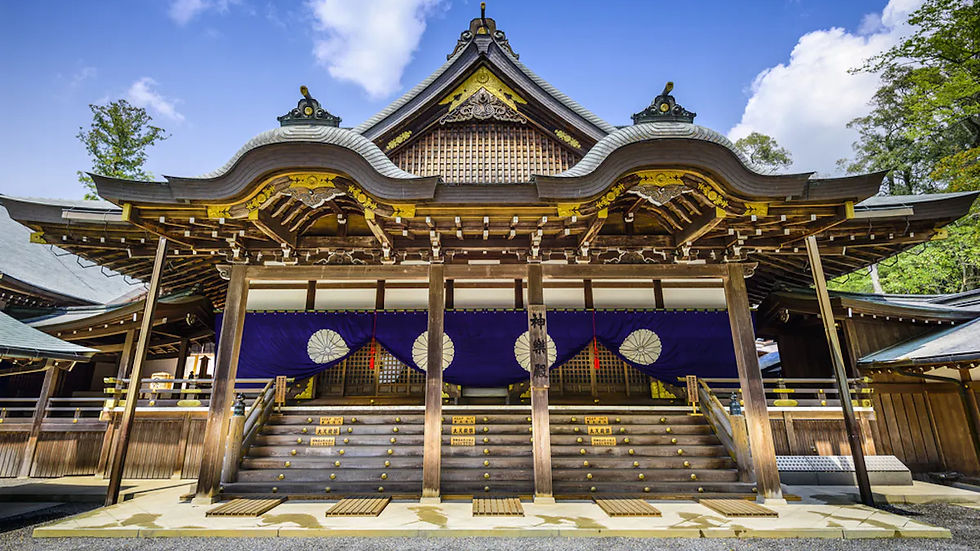
5. Visit the Sacred Ise Grand Shrine with Cultural Context
The Ise Grand Shrine is one of the most important spiritual sites in Japan.
Unlike many historic landmarks, the shrine is rebuilt every twenty years in a ritual that has continued for more than a millennium. This practice reflects Shinto beliefs about renewal and the cyclical nature of life.
Walking through the forested approach to the shrine, accompanied by a knowledgeable guide, reveals the deeper meaning behind the architecture, rituals, and traditions that define this sacred place.
6. Stay in a Traditional Ryokan with Kaiseki Dining
One of the most immersive cultural experiences in Japan is staying at a traditional ryokan.
These historic inns combine elegant design, seasonal cuisine, and extraordinary hospitality.
Guests sleep on futon beds laid over tatami mats and enjoy elaborate kaiseki dinners that highlight regional ingredients and artistic presentation.
Many ryokans also feature onsen hot springs, where travelers can relax while overlooking forests, mountains, or gardens.
These moments of quiet relaxation capture the essence of Japanese hospitality.

7. Ski Legendary Powder in Niseko
Japan’s northern island of Hokkaido offers some of the most remarkable winter landscapes in the world.
Niseko has become internationally famous for its light, dry powder snow and exceptional skiing conditions. Guided backcountry adventures allow experienced skiers to explore untouched terrain across volcanic landscapes and quiet forests.
Travelers interested in winter adventures can explore Japan’s premier ski destinations to see how Niseko fits into a broader journey through the country.

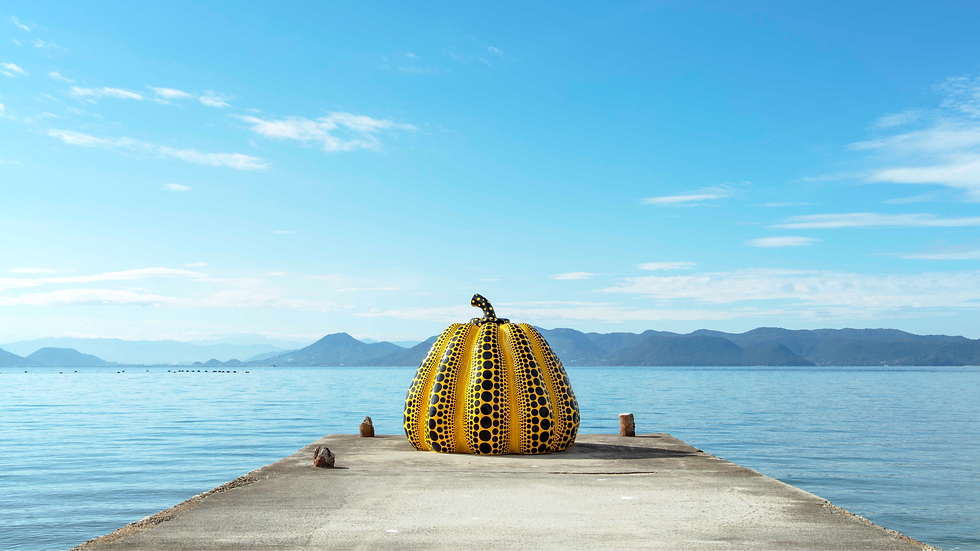
8. Visit Contemporary Art Islands in the Seto Inland Sea
Japan’s Seto Inland Sea is home to one of the world’s most fascinating art destinations.
Islands such as Naoshima and Teshima have been transformed into open-air museums where contemporary art, architecture, and nature interact in extraordinary ways.
Visitors can explore installations designed by renowned architects such as Tadao Ando while enjoying the peaceful atmosphere of these coastal landscapes.
9. Discover Kyoto’s Hidden Gardens with a Private Guide
Kyoto is known for its temples, but many of its most beautiful gardens remain hidden from casual visitors.
With a knowledgeable guide, travelers can discover quiet Zen gardens, historic villas, and lesser-known temple grounds that offer a more contemplative experience of the city.
These tranquil spaces reflect centuries of landscape design rooted in balance, simplicity, and symbolism.

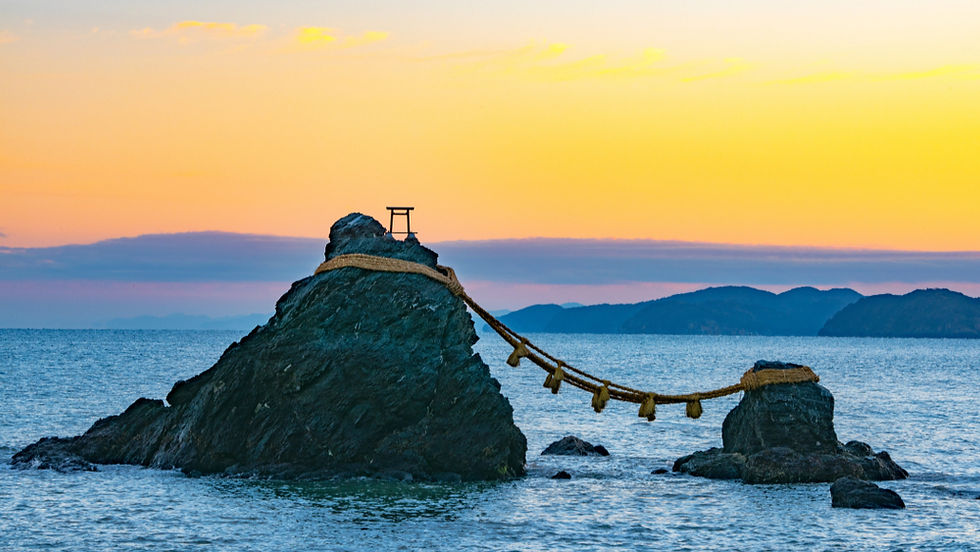
10. Walk Coastal Paths and Fishing Villages in Ise-Shima
Beyond Japan’s famous cities lie regions where traditional life continues at a slower pace.
The Ise-Shima coastline offers dramatic scenery, fishing villages, and culinary traditions centered around fresh seafood.
Walking these coastal paths reveals another side of Japan—one shaped by nature, spirituality, and a deep connection to the sea.
Experiencing Japan Through Insider Connections
Japan rewards travelers who look beyond the obvious.
The country’s most memorable experiences often come through meaningful encounters with artisans, guides, and local experts who share the stories behind the traditions.
At Tribù Travel, we design journeys that connect travelers with these cultural moments—from private tea ceremonies and artisan workshops to sacred landscapes and remote regions rarely included in conventional itineraries.
To see how these experiences come together, explore one of our curated journeys:
Each journey is thoughtfully crafted to reveal the deeper layers of Japan while reflecting the interests and style of the traveler.
Planning a Journey to Japan
Because many of these cultural experiences involve small workshops, private guides, or limited access, planning ahead is essential.
The most rewarding itineraries balance iconic destinations like Tokyo and Kyoto with quieter regions that reveal the country’s natural beauty and traditions.
Working with experienced specialists ensures that each element—from accommodations to cultural encounters—comes together seamlessly.


Comments