.png)
When Is the Best Time to Go on Safari?
Updated: Jul 31
A Month-by-Month Guide to Africa

Watching elephants roam during sunset
One of the first questions travelers ask when planning an African safari is simple:
When is the best time to go?
The answer isn’t always straightforward. Africa offers extraordinary wildlife experiences year-round, but the timing of your safari can influence everything from wildlife behavior to landscapes, camp availability, and seasonal pricing.
Rainfall patterns, wildlife migrations, and water levels all shape how animals move through different ecosystems. A safari in Botswana in July will feel very different from a safari in Kenya in February, or gorilla trekking in Rwanda during the dry season.
That’s why every safari we design at Tribù Travel begins with a planning conversation.
During our initial trip planning call, we explore your travel dates, the wildlife experiences you’re hoping to see, and the style of safari you’re drawn to. From there, we help paint a picture of how different regions and seasons across Africa compare.
As a Travel + Leisure A-List Safari Advisor recognized for Kenya, Botswana, and South Africa, I spend a great deal of time visiting camps and working closely with partners across the continent. That firsthand insight allows us to guide travelers toward the destinations and timing that will create the most meaningful experience.
Below is a simple month-by-month overview to help you begin thinking about the best time for your safari.
Best Time for Safari in Africa: Month-by-Month
Month | What’s Happening | Best Safari Destinations |
January | Green season across much of East and Southern Africa with lush landscapes and newborn wildlife. Excellent for photography and gorilla trekking. | Tanzania (Serengeti calving), Kenya, South Africa, Rwanda, Uganda |
February | Peak calving season in the Serengeti brings dramatic predator action and incredible wildlife viewing. Gorilla trekking conditions remain good. | Tanzania, Kenya, Rwanda, Uganda |
March | Beautiful green landscapes, excellent birding, and fewer travelers in many safari regions. | Kenya, South Africa, Tanzania, Rwanda, Uganda |
April | Shoulder season in many regions with lush scenery and fewer crowds. | Botswana, Namibia, South Africa |
May | Transition toward the dry season begins in Southern Africa, improving wildlife visibility. | Zambia, Zimbabwe, Namibia, Botswana |
June | Dry season begins across much of Africa, concentrating wildlife near water sources. | Kenya, Tanzania, Rwanda, Uganda, Botswana, Zambia |
July | Peak safari season begins with exceptional wildlife viewing across many regions. | Kenya, Tanzania, Botswana, Rwanda, Uganda, Zimbabwe |
August | Prime wildlife viewing and Great Migration river crossings in the Masai Mara. | Kenya, Tanzania, Botswana, Rwanda, Uganda, Zimbabwe, Zambia |
September | Consistent wildlife sightings as animals gather near rivers and waterholes. | Kenya, Tanzania, Rwanda, Uganda, South Africa, Botswana |
October | Dry conditions create strong predator sightings before the first seasonal rains. | Kenya, Tanzania, South Africa, Rwanda, Uganda, Botswana |
November | Short rains begin in East Africa while some regions offer quieter parks and excellent seasonal value. | Uganda, South Africa, Kenya, Tanzania |
December | Holiday safari season with green landscapes and active wildlife. | Kenya, Tanzania, South Africa |
Africa offers exceptional safari experiences year-round across destinations like Kenya, Botswana, Tanzania, South Africa, Namibia, Zambia, Zimbabwe, Rwanda, and Uganda, with each region offering unique seasonal highlights.
Understanding Africa’s Safari Seasons
While every destination has its own seasonal rhythms, most safari regions follow three general patterns.
Dry Season (June – October)
The dry season is often considered the best wildlife viewing period. Vegetation becomes thinner and animals gather around rivers and waterholes, making sightings easier and more predictable.
Many of Africa’s most iconic safari experiences occur during this time, including the Great Migration river crossings in Kenya and Tanzania and exceptional predator sightings across Southern Africa.

The annual wildebeest migration in Kenya and Tanzania
Green Season (November – March)
During the green season, rains transform landscapes into vibrant environments filled with new life. Many animals give birth during this period, which can lead to dramatic predator activity.
The green season also brings:
Lush landscapes and dramatic skies
Fewer travelers in many safari regions
Excellent birdlife and photography opportunities
For travelers who appreciate scenery and quieter camps, this can be a wonderful time to visit.

Lion spotting during a game drive in Tanzania
Shoulder Seasons (April – May and November)
These transitional months can offer excellent value and fewer visitors, making them appealing for travelers with flexible schedules.
Wildlife viewing can still be very rewarding, and some camps offer seasonal specials or longer-stay offers during these periods.
For travelers who prefer quieter parks and attractive pricing, shoulder seasons are often overlooked gems.

Beautiful Kenyan landscape
The Truth About the “Best” Time for Safari
There isn’t one perfect safari month.
Some travelers want to witness dramatic wildlife events like the Great Migration. Others prefer remote wilderness, lush landscapes, or fewer vehicles around wildlife.
The best safari timing depends on your travel style, your priorities, and how different regions of Africa experience seasonal change.
That’s where thoughtful planning makes the difference.
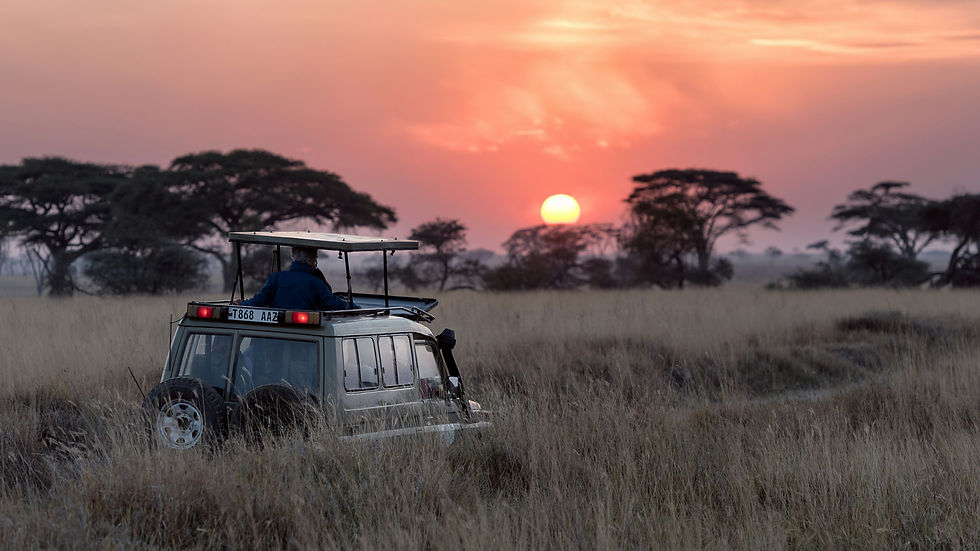
A sunset game drive
Planning Your Safari
At Tribù Travel, every safari begins with a conversation.
We help travelers understand how destinations, camps, and seasons work together so that the final itinerary feels seamless and deeply personal.
Sometimes the best safari isn’t the most obvious month — it’s the one that aligns perfectly with your travel style and the experience you’re hoping to have.
Ready to Start Planning?
If you're considering an African safari and wondering when to go, we’d love to help you design a journey that balances wildlife, timing, and extraordinary camps across Africa.


Comments